Less Disruptive Sewer Solutions
Trenchless Sewer Repair in Fort Worth
Ask whether your sewer pipe may qualify for trenchless repair. Get a Free Estimate
Less Disruptive Sewer Solutions
Ask whether your sewer pipe may qualify for trenchless repair. Get a Free Estimate
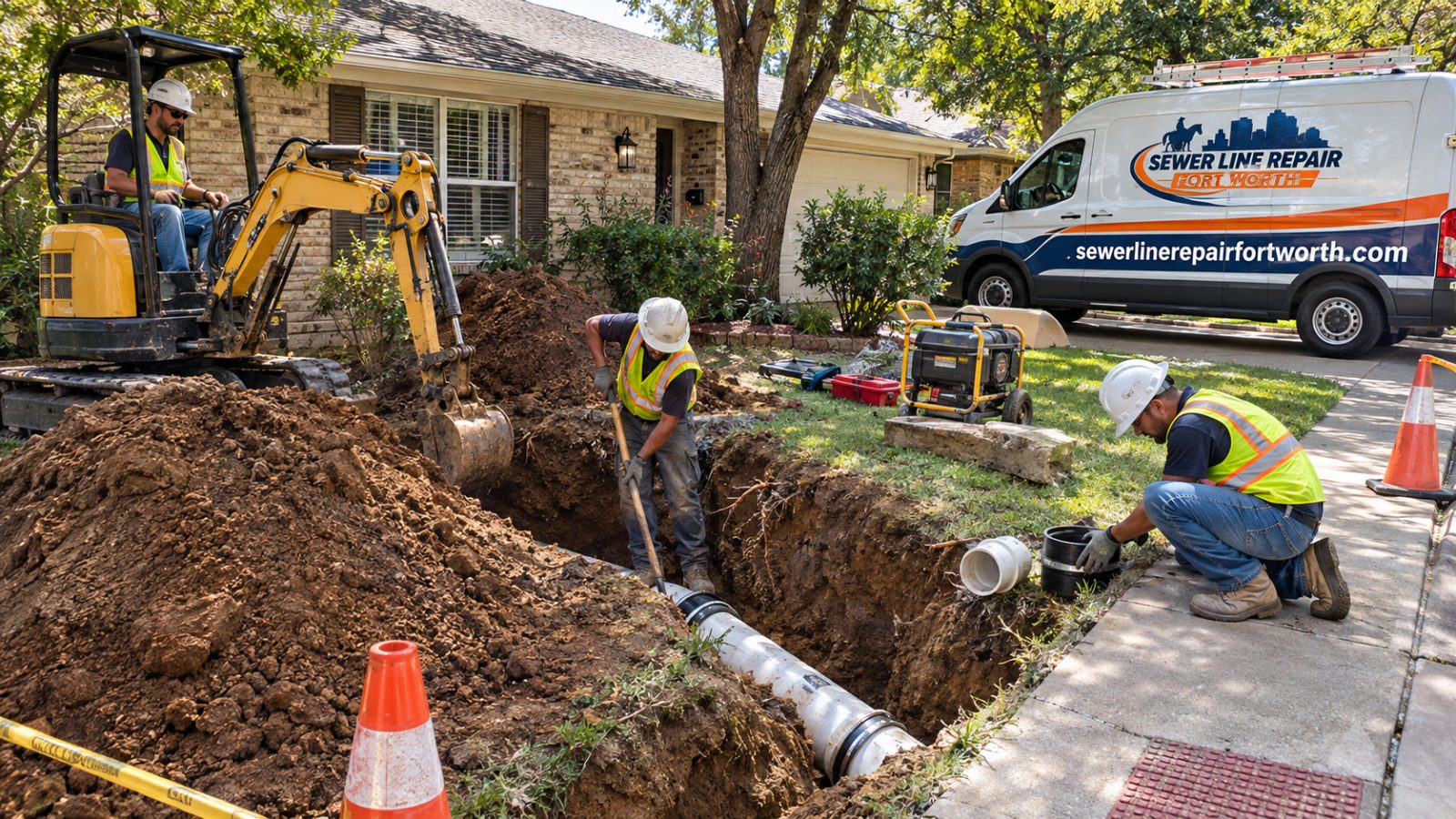
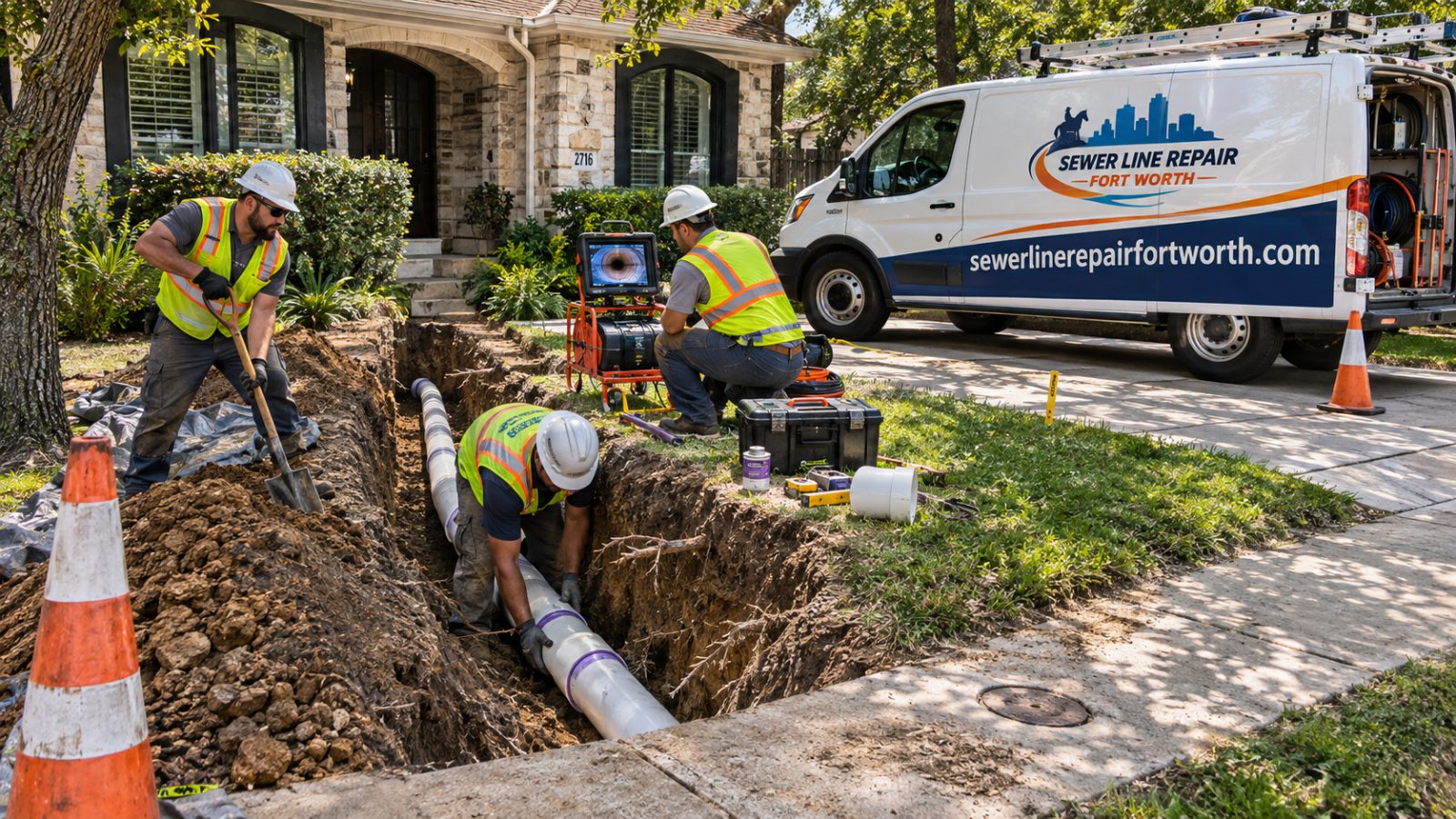
Traditional sewer repair can require excavation to reach damaged underground pipes. Trenchless methods may reduce the amount of digging needed, depending on the existing sewer line and site conditions.
Trenchless repair is not suitable for every pipe. Severe collapse, significant misalignment, restricted access, or extensive structural damage may affect the available options. A proper evaluation should come before choosing a method.
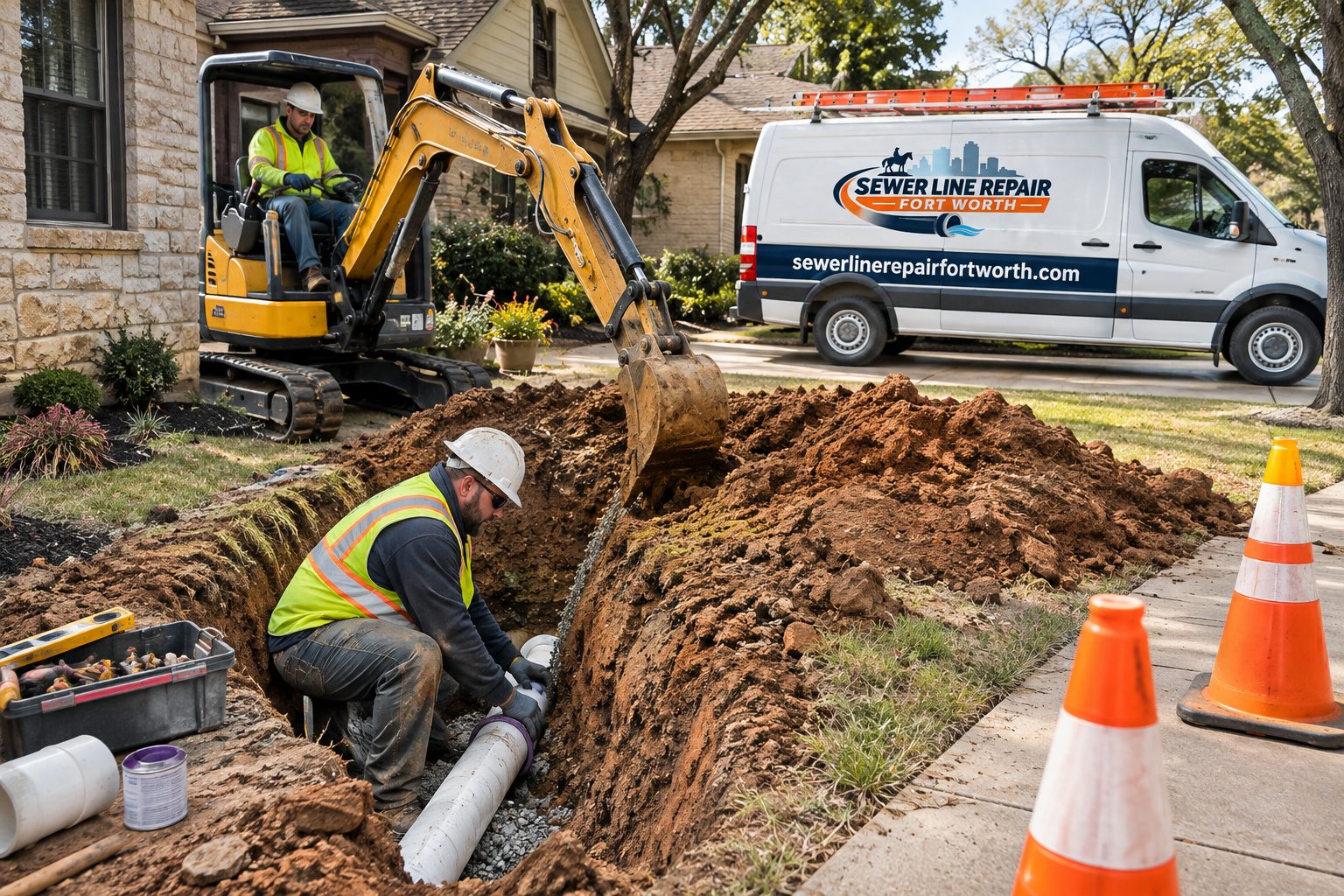
The two commonly discussed approaches are pipe lining and pipe bursting. Each has different requirements, limitations, and installation considerations.
Certain existing sewer pipes may be candidates for an internal liner that creates a new pipe surface within the old line. The host pipe must meet the method's structural and installation requirements. Cleaning and preparation are generally important parts of the process.
Pipe bursting involves breaking apart an existing pipe while drawing replacement piping through its path. Entry and exit excavations are usually required. Available space, pipe material, and nearby underground utilities influence suitability.
A trenchless recommendation should account for pipe diameter, alignment, material, obstructions, and structural integrity. Not every sewer line can be rehabilitated without conventional excavation.
Trenchless work may reduce surface disruption, but access pits, equipment space, and restoration may still be necessary. Customers should understand these requirements before work begins.
We believe trenchless options should be discussed only when the pipe and site conditions support them.
We explain why conventional excavation may still be necessary in some situations.
Landscaping, driveways, utilities, and access routes matter when comparing repair methods.
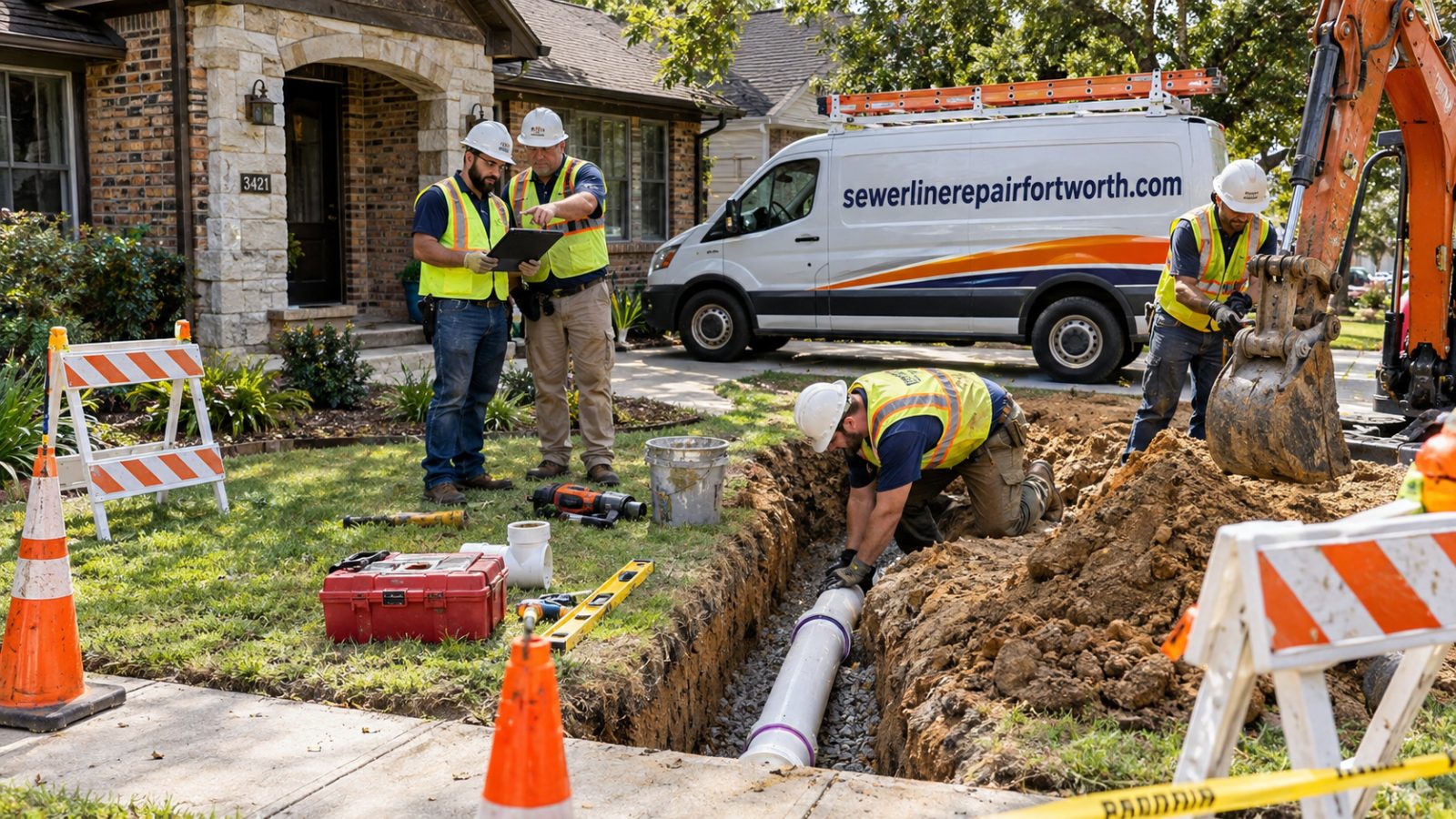
Find out whether a less disruptive sewer repair approach may be appropriate.
Free — no obligations
Identify the reason trenchless repair is being considered.
Review the pipe condition and any available inspection findings.
Consider lining, bursting, or conventional repair based on suitability.
Explain the anticipated excavation points and property considerations.